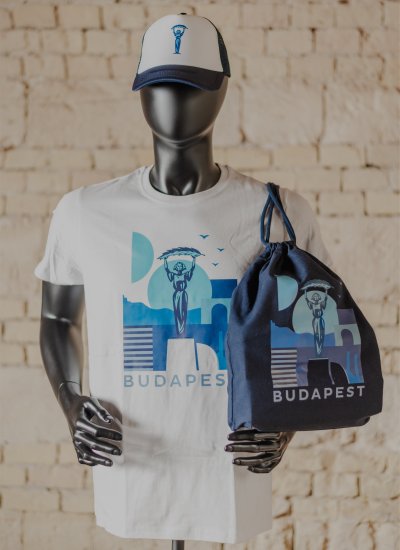
 Citadella Gift Shop
 Liberty Gift Shop
 Chimney Cake
 Liberty Café
 EN
EN 
In search of liquid gold: the history of Tokaji wine

The Tokaj wine region is the world’s first officially designated wine district, where volcanic soil, a unique microclimate, and human expertise come together to create the “liquid gold” once adored by kings and poets. This noble drink is not merely a product, but one of Hungary’s most important national symbols.

Where nature meets history
Although viticulture existed in the region even before the Hungarian Conquest, the true fame of Tokaj-Hegyalja is owed to Aszú wine. According to tradition, the first Aszú was created by Máté Szepsy Lackó in the 1630s, when delayed harvests due to wartime conditions allowed the grapes to shrivel and develop noble rot.
Behind this process, however, lie precise natural factors: the autumn mists formed at the confluence of the Tisza and Bodrog rivers encourage the development of Botrytis cinerea, known as noble rot. This fungus causes the grapes to shrivel, concentrating sugars and unique aromas in a way that cannot be replicated anywhere else in the world.
“Vinum Regum, Rex Vinorum”
In the 18th century, Tokaji wine became a tool of diplomacy and luxury. Louis XIV, the Sun King, famously called it the “Wine of Kings, King of Wines” after receiving a shipment as a gift from Francis II Rákóczi. Later, Russian tsars, popes, and great minds such as Johann Wolfgang von Goethe and Voltaire also became devoted admirers of Tokaji. In 1737, the region was officially declared a closed wine district—the first of its kind in the world—to protect its quality.
A modern renaissance: The new face of Tokaji Aszú
Today, Tokaji wine remains a guarantee of quality, but modern gastronomy has opened new directions for it. Aszú is no longer just a dessert wine—it also reveals an exciting new side as an ingredient in refined cocktails.
A great example is the Liberty Spritz Signature cocktail, in which Tokaji Aszú plays a central role. In this drink, noble sweetness meets house-made sage cordial, sparkling Prosecco, and soda, enhanced by fresh citrus and sage leaves. This elegant and distinctive cocktail can be enjoyed at the Szabadság and Citadella cafés, where historical tradition meets modern mixology.