 Citadella Büfé
 Citadella Gift Shop
 Liberty Gift Shop
 Citadella Café
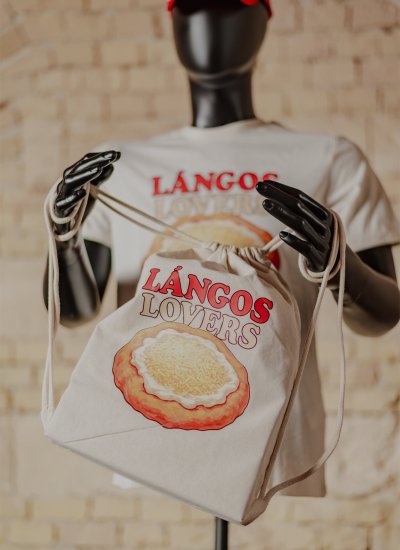
 Chimney Cake
 Liberty Café
Towering atop Gellért Hill and visible from almost every point in the city, the history of the Liberty Statue is a textbook example of how history can rewrite the meaning of a public monument.

The 14-metre-tall female figure holding a palm branch aloft, created by Zsigmond Kisfaludi Strobl, was erected in 1947. Although the work was produced under enormous political pressure, the artist chose an entirely ordinary, civilian model for it. According to historical records, the sculptor spotted Erzsébet Gaál, a tall, clear-faced and athletic X-ray assistant, on a street in Pest and immediately asked her to take on the task. For weeks the young woman had to stand in the studio in a tense and tiring pose – often raising a mere broomstick or a broken twig instead of a real palm branch.
According to the original concept and commission, the work was a Liberation Monument commemorating the Soviet Red Army that had occupied Budapest. Beneath the main figure originally stood the bronze statue of a 6-metre-tall Soviet soldier holding a submachine gun, while an inscription in Cyrillic letters on the pedestal proclaimed the glory of the "liberating Soviet heroes".
During the 1989–1990 change of regime, the demolition of the statue was also considered, since it was a symbol of an oppressive dictatorship. The city, however, made a wise decision: the statue was cleansed of the ideological layers that had accumulated on it. The statue of the Soviet soldier was removed (it can now be seen in Memento Park), and the red star and the Cyrillic inscriptions were chiselled off.
The new inscription, still valid today, focuses on the facts and on national remembrance: "In memory of all those who sacrificed their lives for the independence, freedom and prosperity of Hungary." The palm-bearing female figure thus turned from an imposed political symbol into Budapest's true guardian, proclaiming universal freedom.
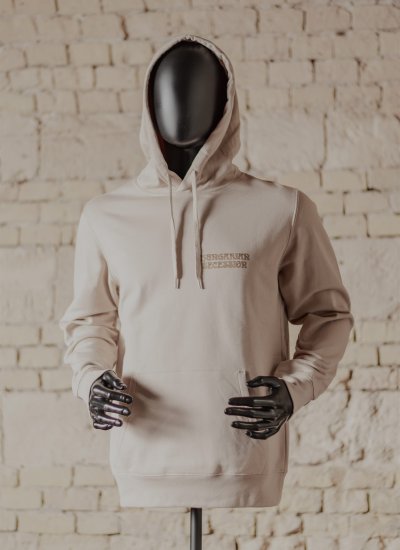
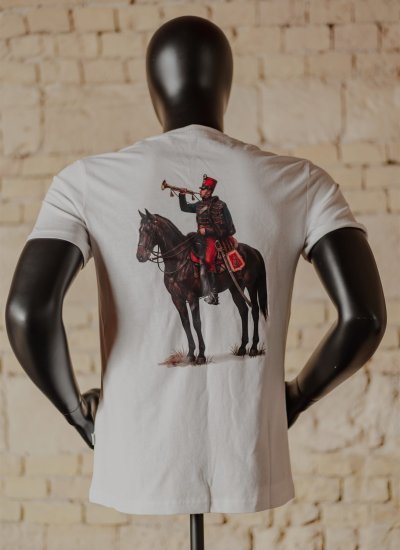
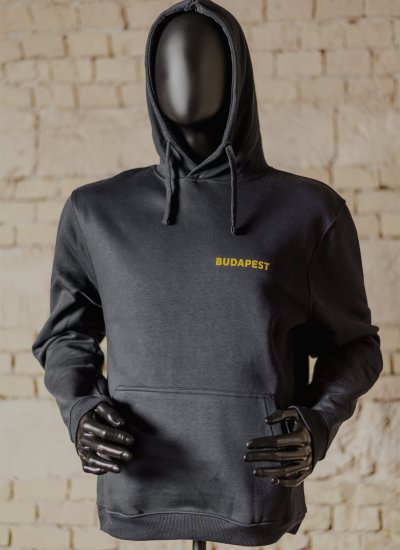
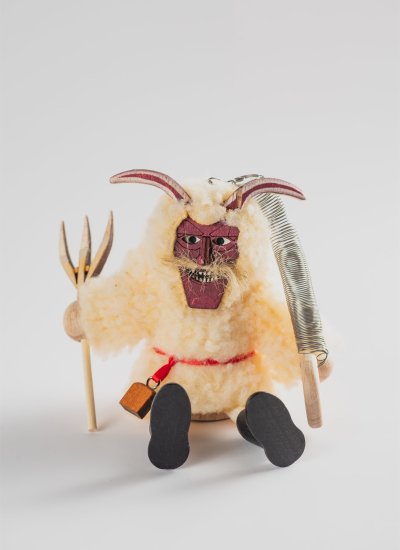
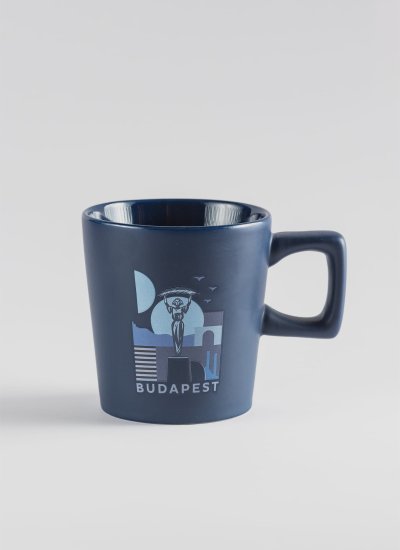
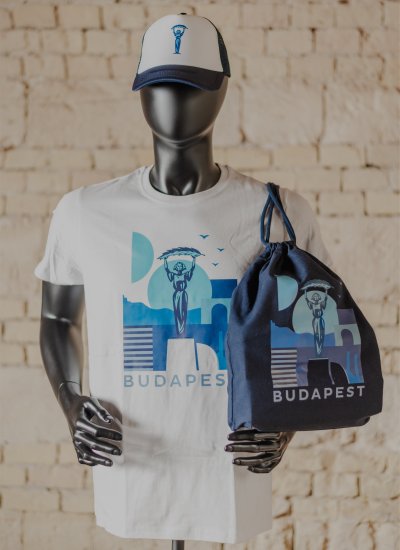
The most iconic symbol of the Hungarian capital – the proud female figure raising a palm branch aloft – also provides the central motif of the unique Citadella collection, now available in the range of the Citadella and Szabadság gift shops.