 Citadella Büfé
 Citadella Gift Shop
 Liberty Gift Shop
 Citadella Café
 Chimney Cake
 Liberty Café
When Buda, Pest and Óbuda merged on 17 November 1873, choosing a name for the new metropolis was anything but straightforward. Although the name Pest-Buda (or Pestbuda) had been in everyday use since the early 1800s – Pest being the more significant economically, while Buda dominated historically and administratively – the order of the two names sparked serious debate.

The most influential voice was Count István Széchenyi, who as early as 1831, in his work Világ ("Light"), sharply attacked the name Pest-Buda. In his view "Pestbuda" did not sound distinguished enough and was grammatically awkward too. He himself proposed a surprising alternative: the name Honderű (a blend of the Hungarian words "hon", homeland, and "derű", serenity). This, however, quickly became a laughing stock: French was the language of diplomacy at the time, and pronounced in the French manner ("honte des rues") it roughly meant "the shame of the streets".
The press and intellectual debates of the era threw up some truly astonishing alternatives: some proposed Etelvár, Hunvár, Babel, or even Ikervár as the name of the new capital.
In the end, practicality and euphony settled the matter. At Széchenyi's suggestion, the form Budapest began to catch on. Partly because, instead of the consonant cluster of "Pestbuda", "Budapest" rolls off the tongue far more melodically in Hungarian. And partly because Buda's historical primacy – as the country's ancient capital and royal seat – justified placing it first, while Pest, the nation's new economic engine, took second place.
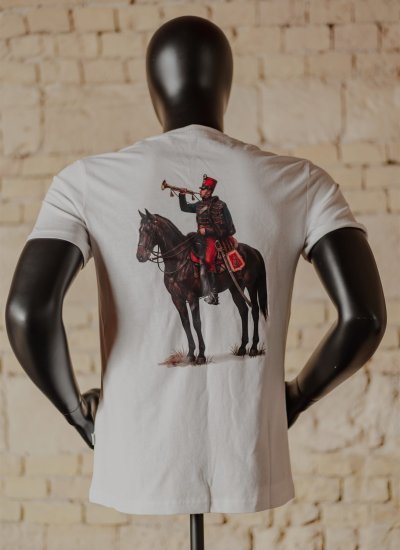
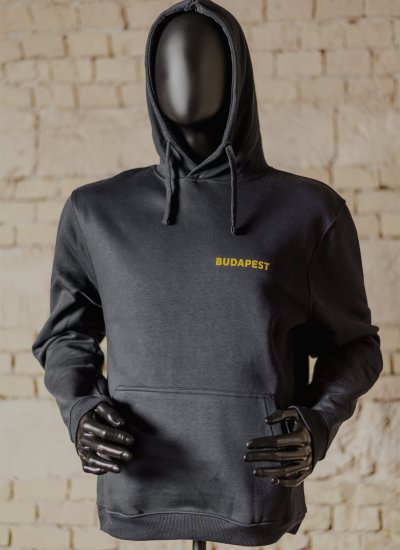
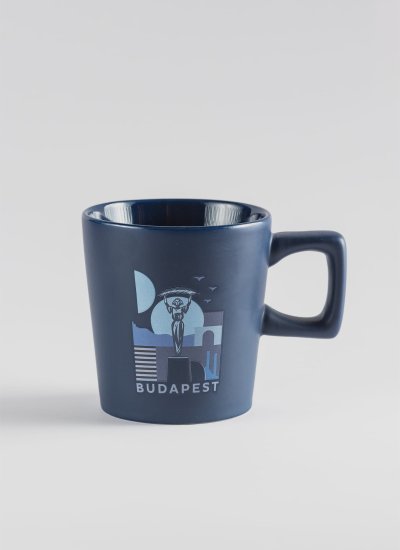
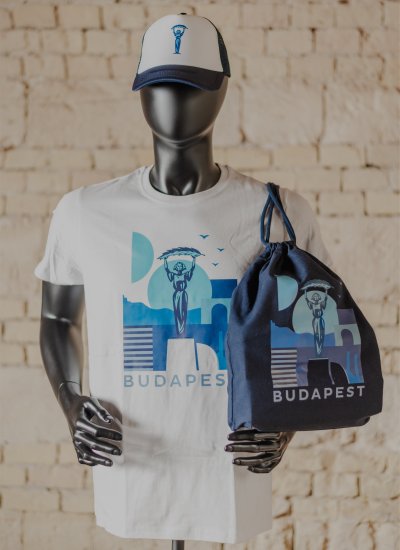
The historic name and heritage of the proud, unified capital also live on in the distinctive, lion-motif Budapest collection, now available at the Citadella and Szabadság gift shops.